When we think of plastic manufacturing, manufacturers usually wait until the design stage. However, the truth is that the errors show up after production tooling is cut. Imagine the dimensions going off, parts failing under real-world conditions and incomplete finishes. This is where a plastic injection moulding factory and OEMs come into play with prototype tooling.
Before manufacturers commit to full-scale injection mold services, prototype tooling is a reliable source for a cost-control strategy. This is exactly how manufacturers save money, reduce risk and improve final part quality through real-world, practical examples. Now, let’s get into the details.
What Is Prototype Tooling?
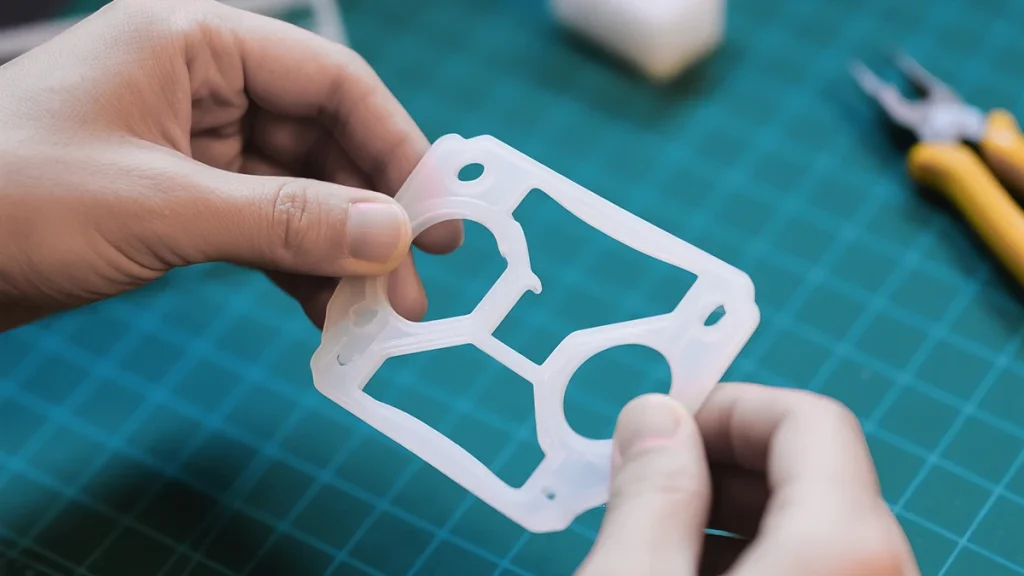
Prototype tooling is designed to simplify molds, low-volume production of functional plastic parts before final production tooling.
What is NOT?
- 3D printing alone
- Shortcut or production
- Cosmetic-focused model
What it REALLY is?
- Functional test phase
- An important, validation step for material, finish and design
- An excellent way to expose failure early
Let’s look closely at the best case scenario.
Just imagine an automotive supplier producing a decorative interior bezel. In this case, the material is ABS (in a heavy volume of 50,000 units), finished with a vacuum metallising process.
Now, what could go wrong?
- Sharp corners cause uneven metal deposition
- Tool modification costs much higher than expected with weeks of downtime
- Foil-pressed printing peels after heat cycling
Solution: An INR 2-3 lakh prototype tool could have prevented an INR 20+ lakh correction.
If you're still unsure how these design decisions affect pricing and mould life, read: How undercuts and slides change plastic molding pricing and tool life?
How Does Prototype Tooling Save Money?
The first advantage is that it catches design flaws early, as prototype molds allow engineers to test the following:
- Draft angles
- Rib placement
- Wall thickness uniformity
- Assembly fit
For example, a clip designed too rigidly might break during installation. While the prototype parts reveal the real issue, it allows designers to adjust geometry before production tooling hardens with time.
Next, it validates surface finishes before scale, as many failures don’t come from molding but finishing itself. This specific step allows manufacturers to test compatibility with PU painting services.
As an example, take into consideration a part that looks perfectly molded but reacts badly to PU paint due to material stress marks. In this case, prototype trials reveal the issue before mass painting begins.
What does an ideal scenario look like?
Let’s assume a consumer electronics brand wants to launch as quickly as possible. Here, it’s recommended to use prototype tooling, validate fit, feel, finish, lock design and launch. All in all, this leads to a significant reduction in development cycles.
Timeline expectations are another major factor manufacturers overlook. From CAD approval to first article inspection, tooling and sampling take time. If you're planning a launch, you should also understand: How long does injection molding really take from design to first article?
Why Prototype Tooling Matters at Rustagi Polymers?
Rustagi Polymers acts as a reliable plastic injection molding company for cost-effective and time-saving injection mold services. Based in Greater Noida, they offer stable support from prototype tooling to finished products under one roof. They serve industries like industrial hardware, automotive, and consumer products with material recommendations.
Prototype Tooling: A Smart Investment
While many consider prototype tooling as an added expense, it’s actually a strategic investment. The strategic investment helps manufacturers move confidently into production and launch products sooner.
Manufacturers can get insights into test designs without committing to high-cost molds. Faster testing, material selection and checking functionality before production; prototype tooling is what brings excellence from design to production. For more information, visit Rustagi Polymers.
FAQs
- How does prototype tooling speed up product development?
Prototype tooling enables designers and engineers to test parts earlier in the development cycle. For instance, catching fit, function and production issues which accelerates decision-making.
- When should you use prototype tooling versus direct-to-production tooling?
Prototype tooling is preferable in the case of new or complex part design, foil stamping and hydro water transfer printing finishes and assembly, fit or function.
- How can prototype tooling improve final part quality?
Prototype tooling improves final part quality by allowing physical testing of parts with real materials, assembly processes and intended finishes such as PU painting, which leads to higher consistency in volume runs.
- Can prototype tooling mimic production material behaviour accurately?
Yes, prototype tools are designed to use the same resin grades and geometries, while cycle times can vary depending on material behaviour, hardened production tools and finish.
- What types of testing are best done with prototype molds?
Prototype molds are particularly useful for:
- Fit and assembly validation
- Functional stress and fatigue testing
- Material and finish compatibility testing
- Surface finish trials (e.g., foil pressed printing or pad printing services)
This ensures predictable performance once mass production begins.