Do you offer prototyping services before mass production?
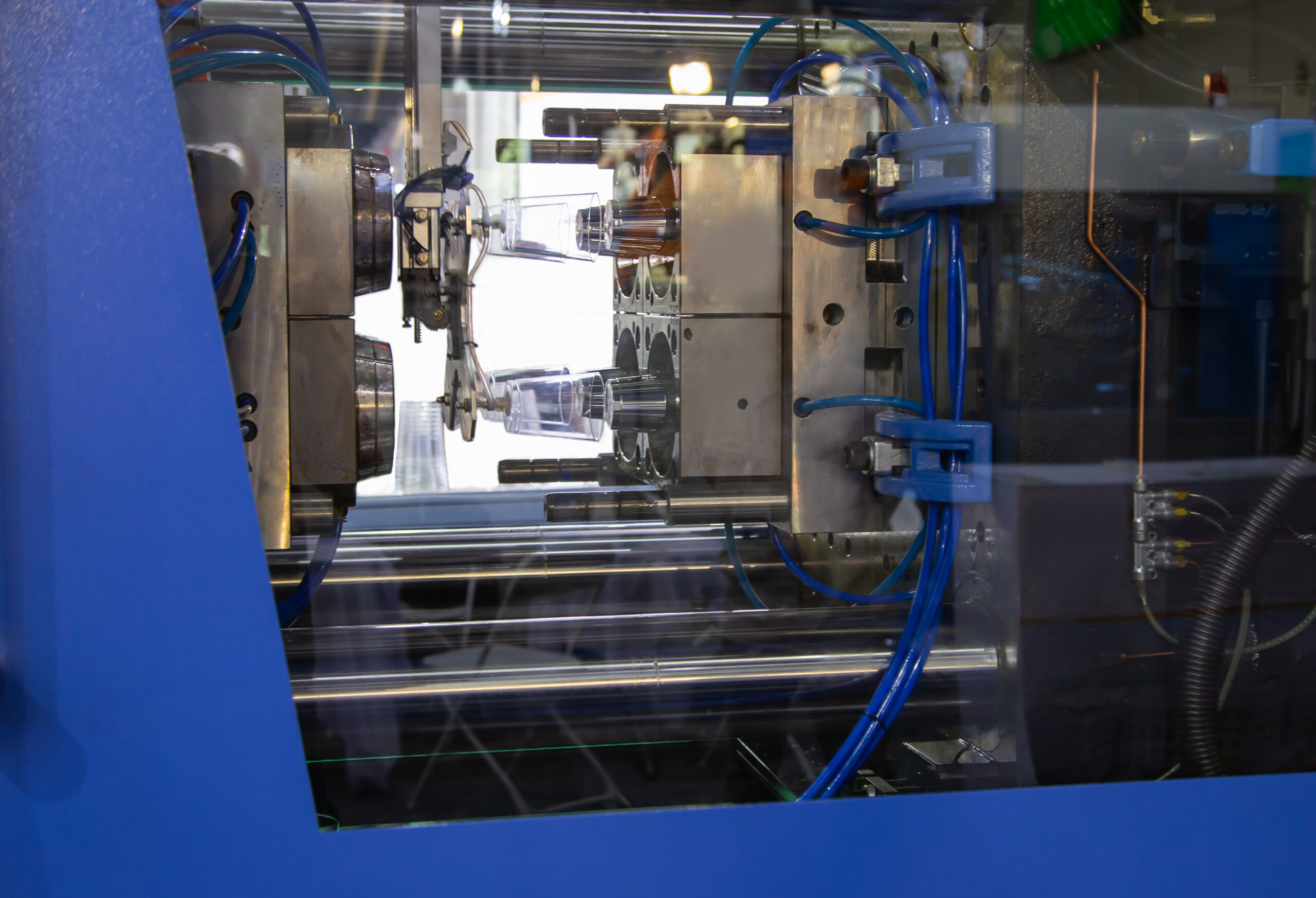
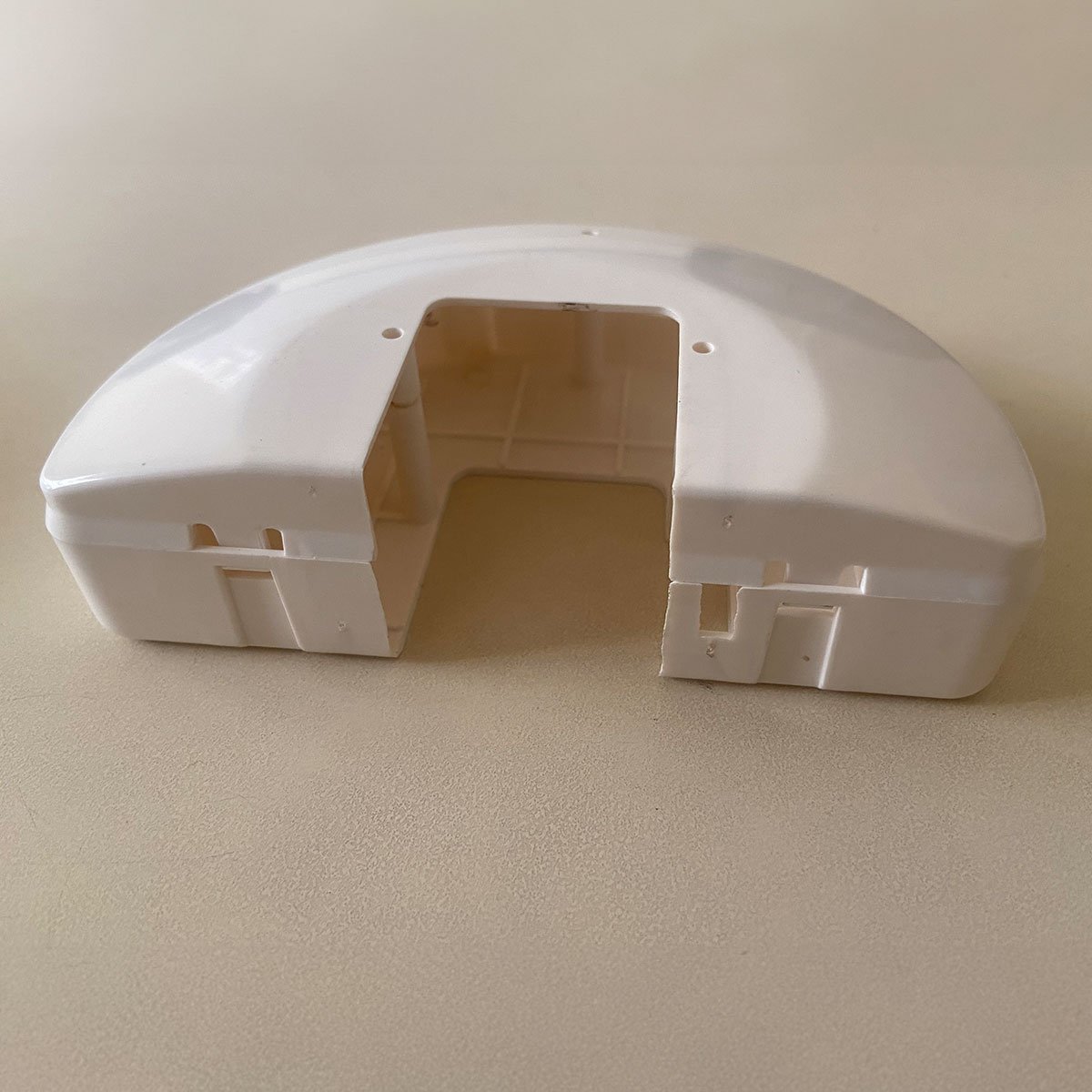
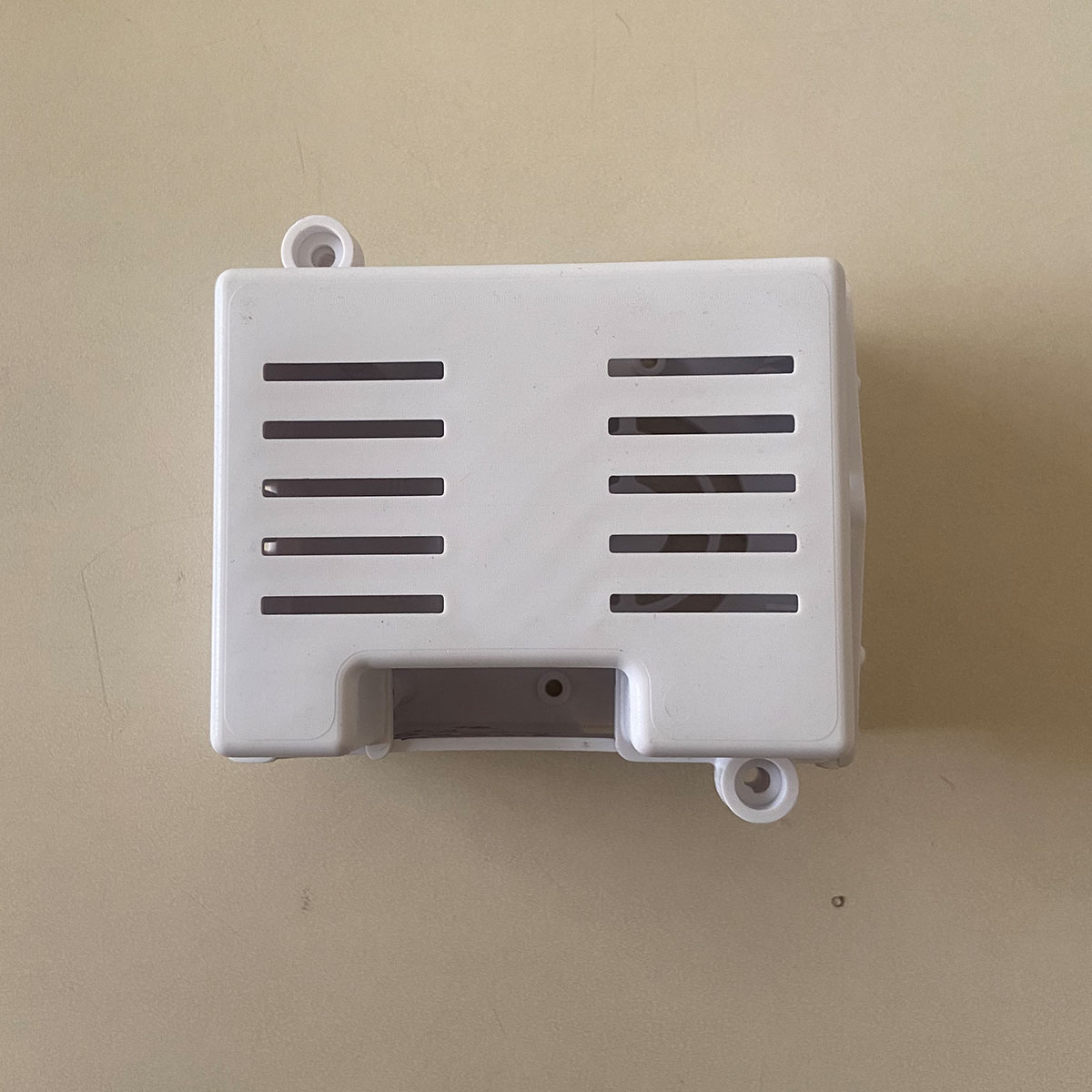
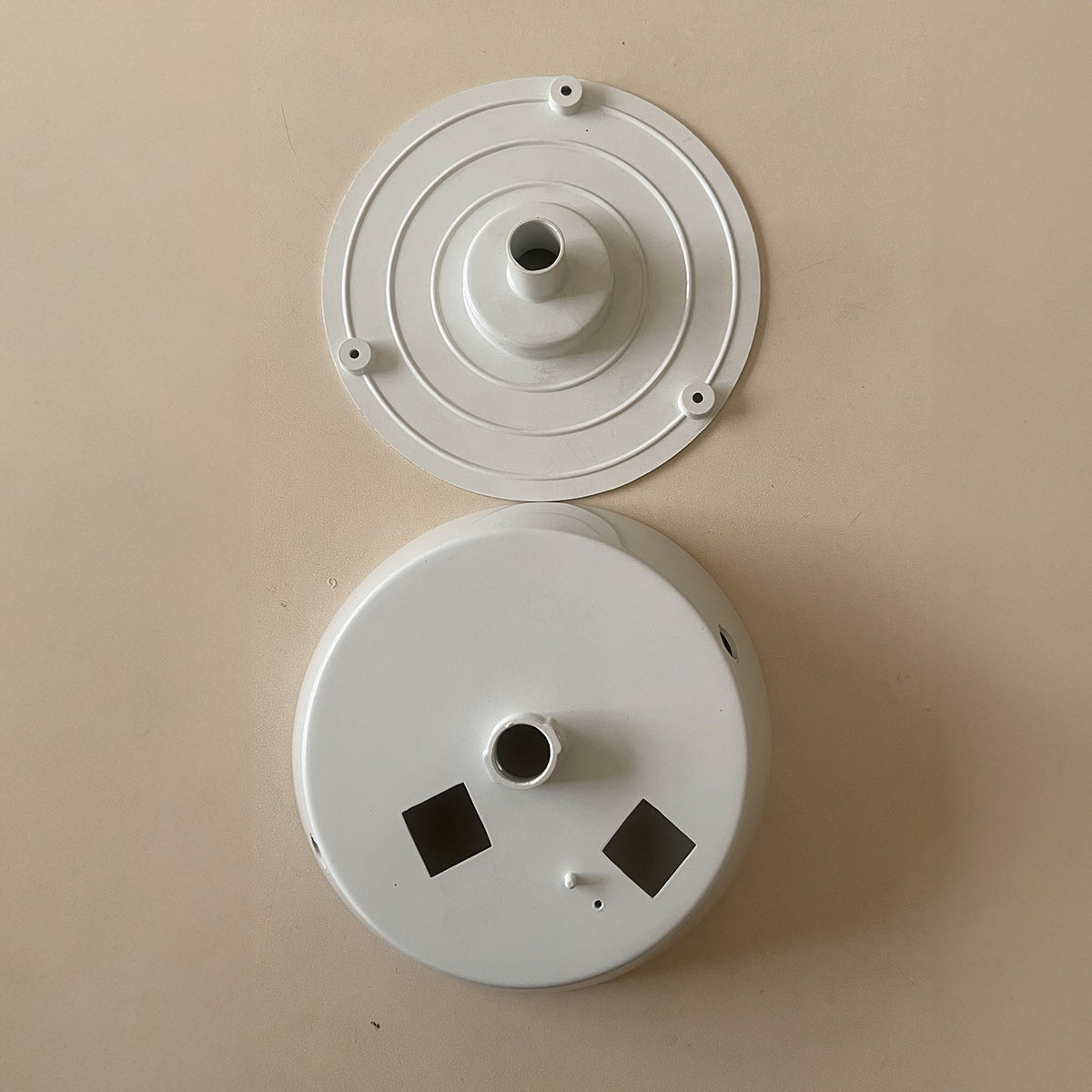
Yes. We prepare the mould as per drawings provided by the client, run a trial production on the mould and provide first set samples to the client for their approval. We do not provide rapid prototyping services.
What are the typical quality control measures that you carry out in your plastic injection moulding factory?
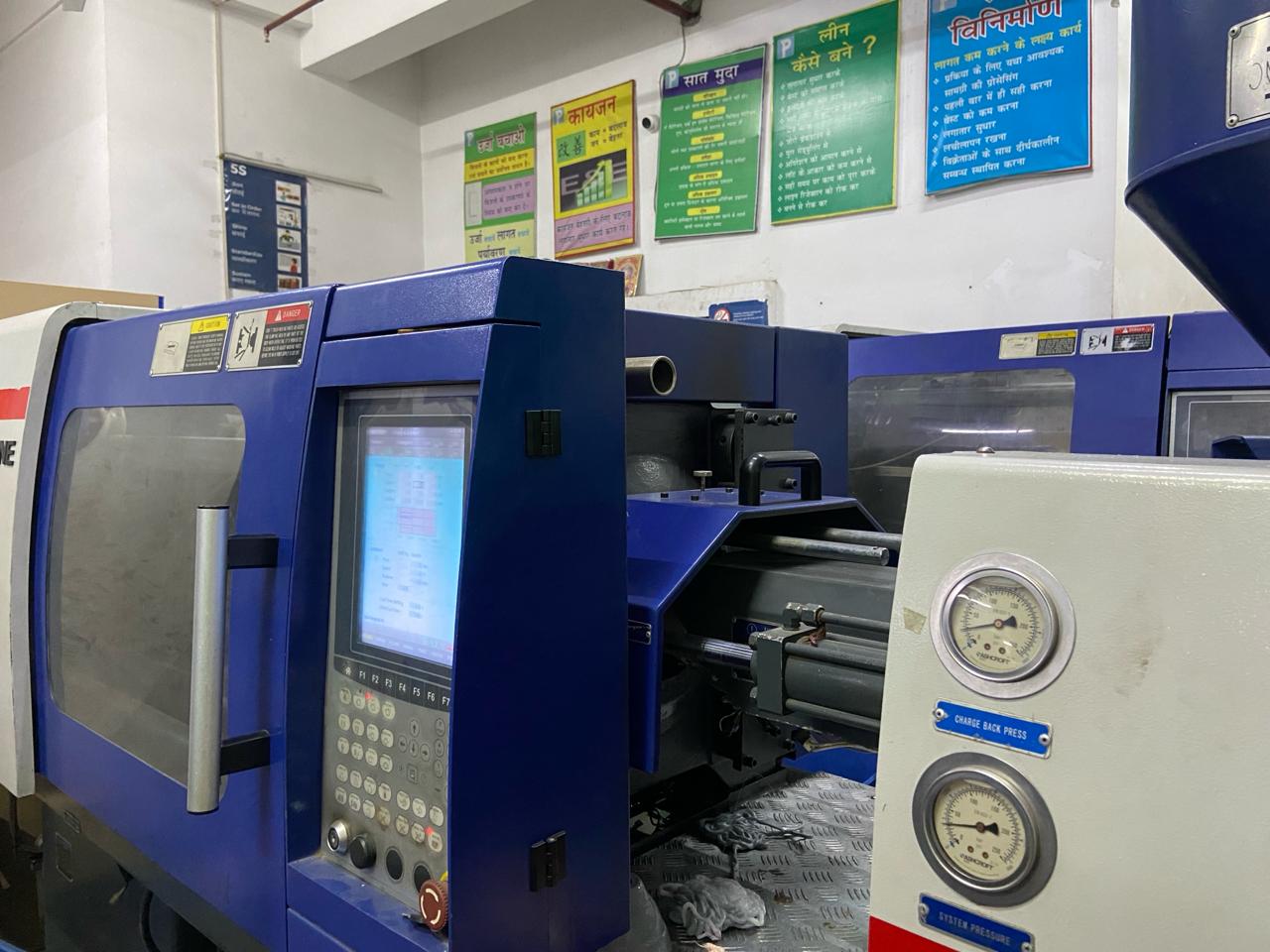
Quality control is a critical aspect of plastic injection molding to ensure that the products meet the required specifications and standards. Typical quality control measures that we follow in our plastic injection molding factory include:
1. Incoming Material Inspection
2. Mold and Machine Setup Inspection
3. In-Process Monitoring
4. Non-Destructive Testing
5. Destructive Testing
6. Post-Processing and Assembly Checks
7. Final Inspection
8. Documentation and Traceability
9. Certifications and Compliance Testing
10. Continuous Improvement Measures
Our robust quality control system involves inspecting raw materials, monitoring production, testing products, and maintaining detailed documentation. By combining automated systems, statistical analysis, and skilled personnel, factories ensure consistent, high-quality output while minimizing defects and waste.
How do I request a quote for plastic injection moulding services?
Write to us on info@rustagipolymers.com or you can call +91 9318337172
Do you provide post-production services for plastic injection moulded parts?
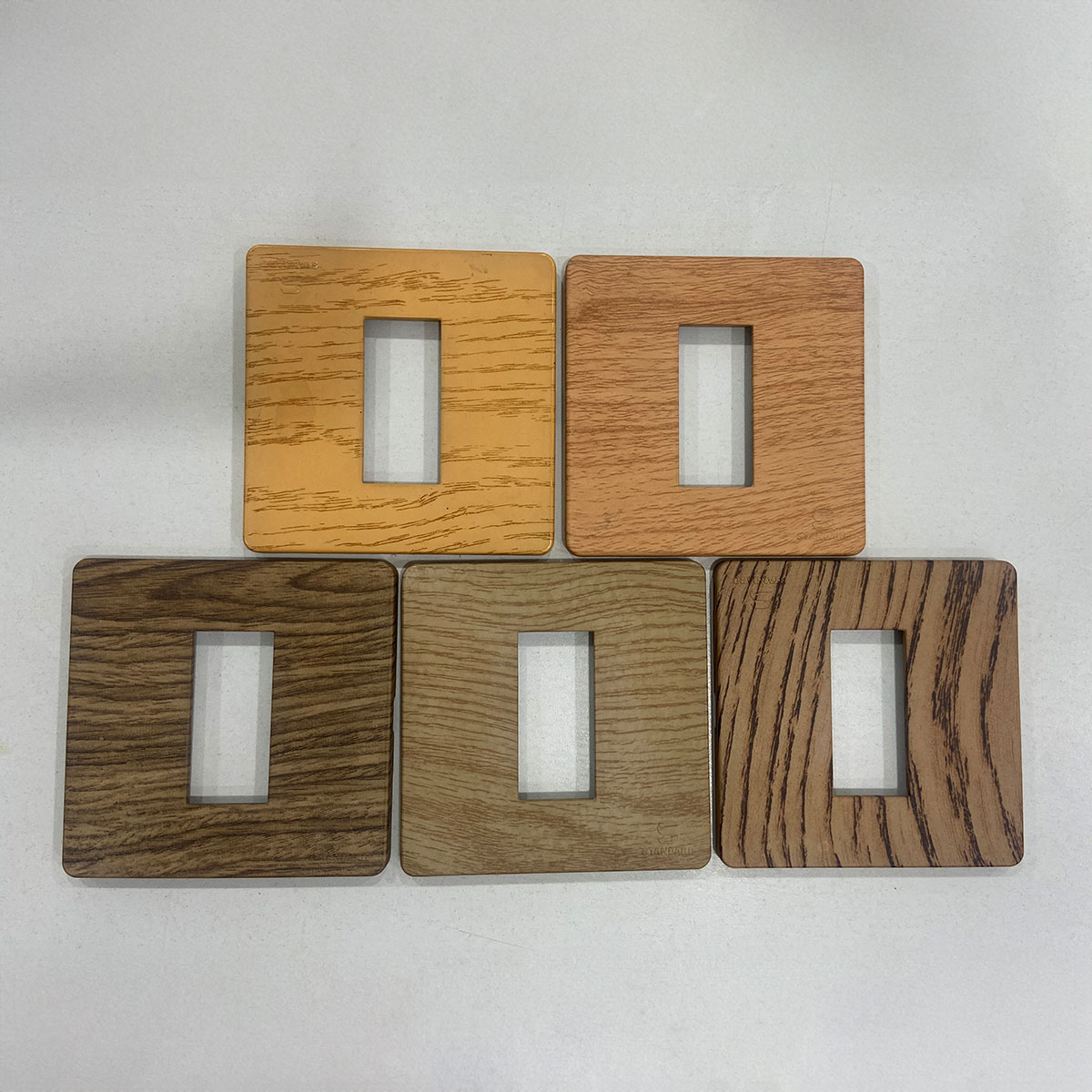
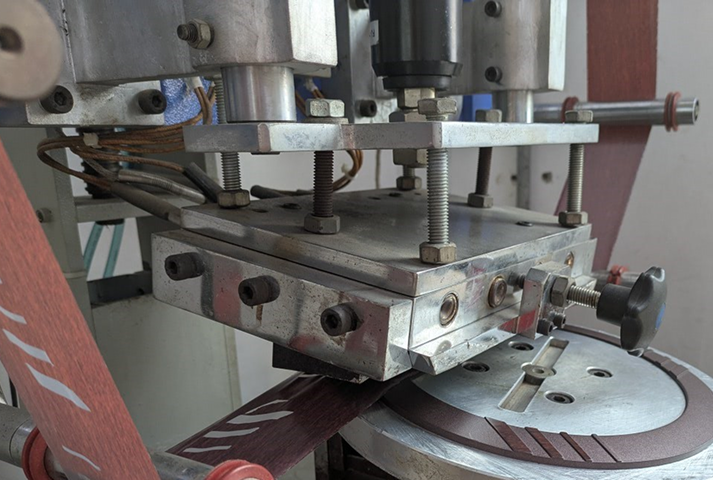
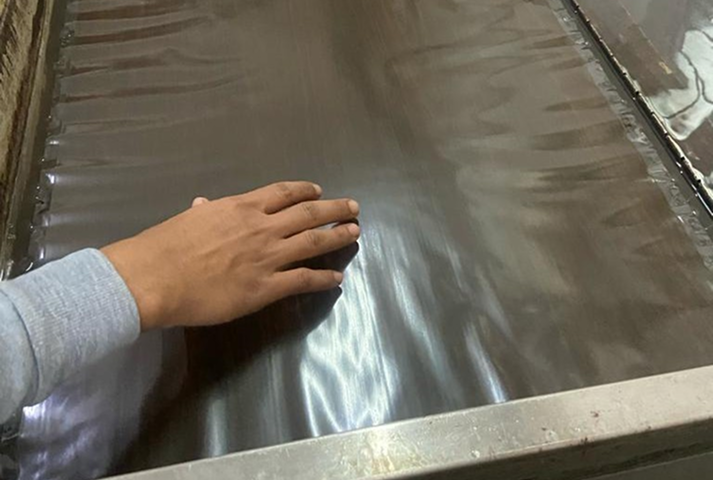
We offer specialized finishes on moulded plastic products as well as on other materials like cermaics, wood etc. Our services include hydrographic printing, UV vacuum metallizing, spray painting, hot foil stamping, pad printing, sub-assemblies.
What types of plastics do you typically mould?
We work with a wide range of thermoplastics including:
1. ABS
2. Polypropylene (PP)
3. Polyethylene (PE)
4. Polycarbonate (PC)
5. Nylon (PA)
6. Polystyrene (PS)
We also process high-performance polymers like PEEK or TPU for engineering and medical-grade applications.
What is the typical lifespan of a mould used by plastic moulding companies?
The lifespan of a mould depends on the material, design, and production volume.
- For high-volume production, plastic moulding companies often use hardened steel molds that can last up to a million cycles or more.
- Aluminum molds; commonly used for prototypes or low-volume runs may last for 10,000 to 100,000 cycles.
Reputable molding manufacturers also perform regular mold maintenance to extend tool life.
Can your plastic injection moulding factory handle overmoulding or insert moulding projects?
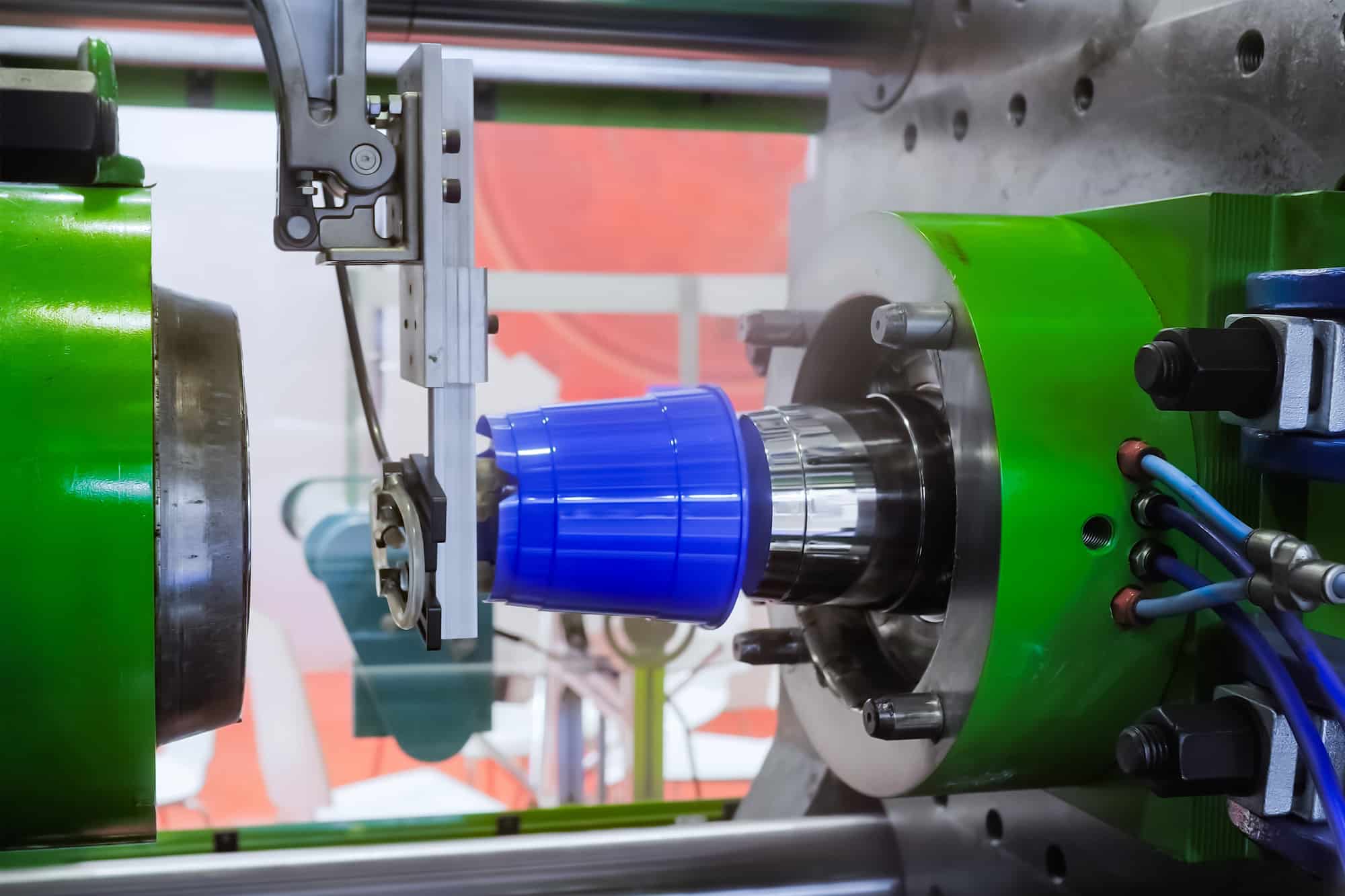
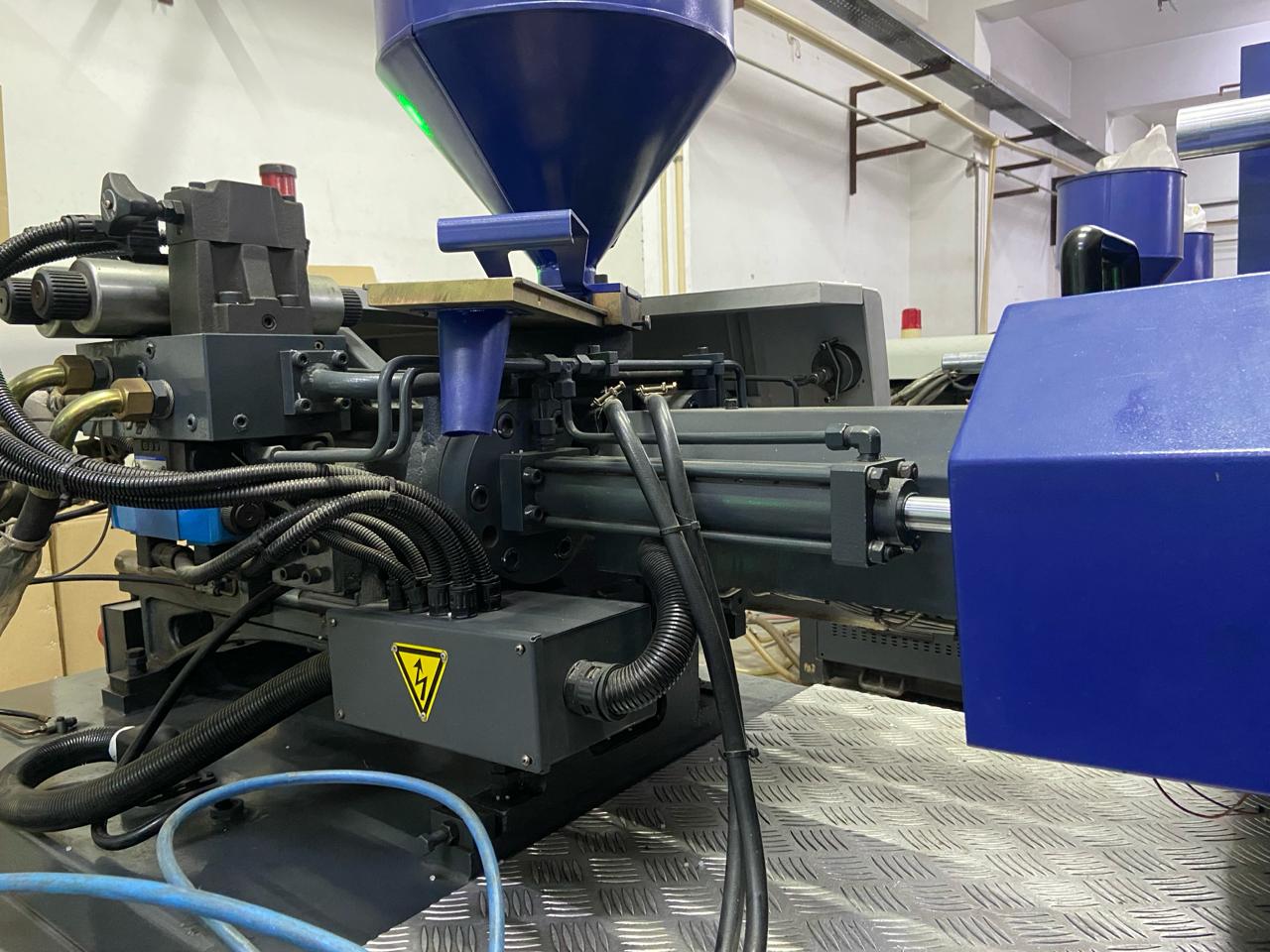
Yes, our modern plastic injection moulding factory are fully equipped to manage overmoulding and insert moulding. Our advanced injection mold services allow for combining materials or embedding components (like metal inserts or electronics) within a plastic part.
How do material choices impact the process in plastic injection moulding services?
Material selection is crucial in plastic injection moulding services, as it affects cycle time, mold design, shrinkage rates, and part durability. Plastic moulding companies typically guide clients on selecting the right resin to match performance, aesthetics, and budget equirements.
For example, choosing glass-filled nylon may require stronger tooling and specific temperature settings, whereas flexible plastics like TPE need different flow and cooling considerations.
What factors should I consider when selecting an injection molding company?
When evaluating plastic injection molding companies, you should go through the following steps:-
1. Consider their experience
2. In-house tooling capability
3. Material expertise
4. Production capacity
5. Quality certifications (like ISO).
6. Design-for-manufacturing (DFM) support
7. Scalable injection mold services
8. Post-processing services like painting or assembly
How do plastic moulding companies maintain quality during mass production?
Leading plastic moulding companies maintain quality by performing:
1. Rigorous in-process inspections
2. Automated monitoring systems
3. Statistical process controls.
4. Validate tool performance with initial part trials
5. Conduct dimensional checks
6. Visual inspections
7. Functional testing at regular intervals.
Some plastic injection molding companies also implement batch traceability and offer first-article inspection reports for critical applications.