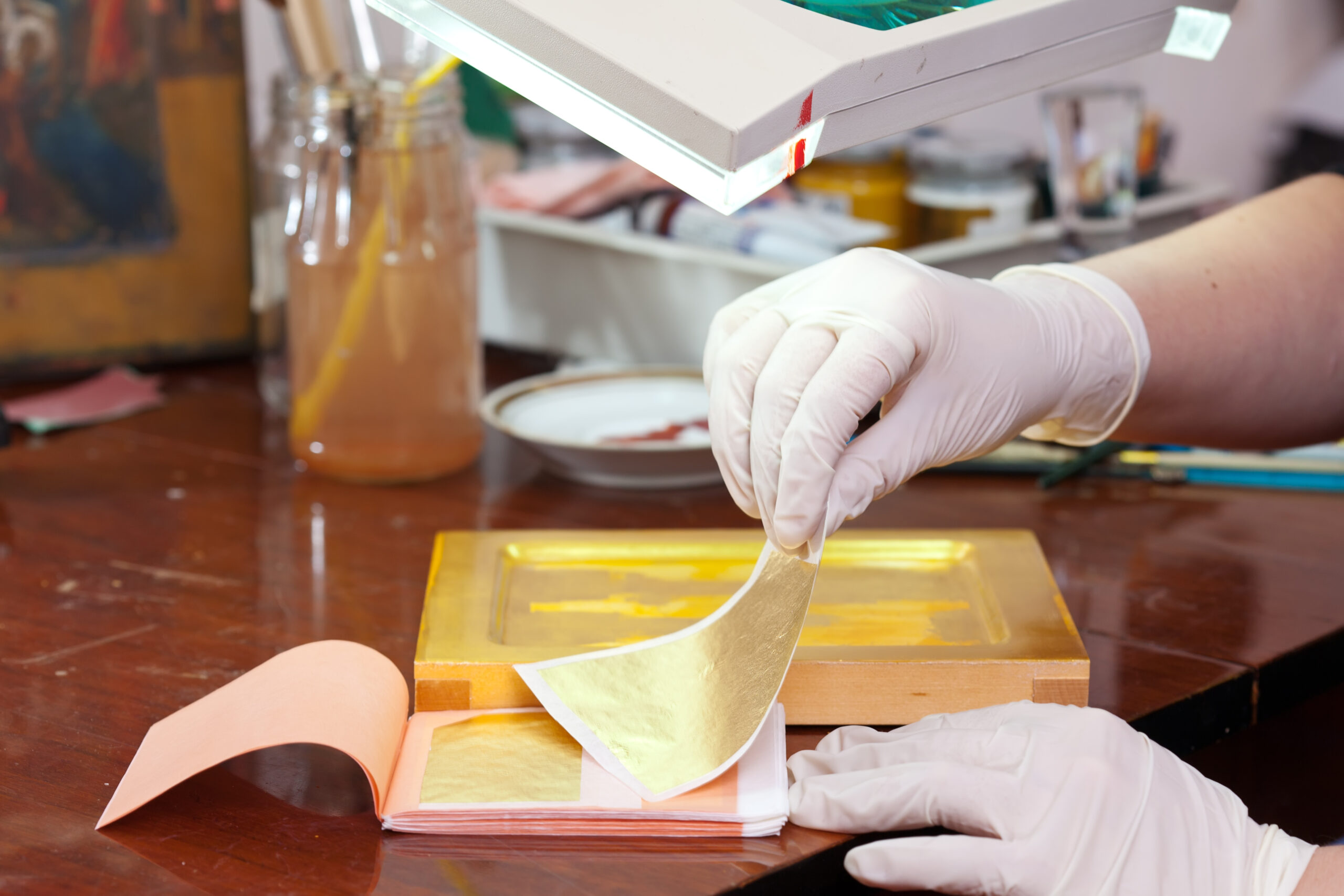
What most of us see as gold, holographic or silver finishes on packaging labels or lids, manufacturers refer to it as hot foil printing. This technique is often used to add a touch of luxury and durability to printed products. Usually, it is seen on high-end stationery and corporate packaging. However, the complex process can sometimes extend production lead times.
In this guide, we will explore the basics of foil stamping and how it influences production schedules.
What is Foil Stamping?
Manufacturers working with plastic injection moulding or hydro water transfer printing often turn to foil stamping to add decorative touches to molded products. Foil stamping goes beyond standard printing and creates a tactile, durable finish.
Before applying decorative finishes, manufacturers should understand the base manufacturing process used to produce the plastic components. If you want a clearer overview of the production workflow, you can read What is Plastic Injection Moulding: How does it work?
This complex technique, which is popularly known as hot foil printing, uses heat and pressure to transfer a design using metallic or pigmented foils. For example, consider a plastic injection-molded cosmetic jar lid featuring the brand logo with metallic gold lettering created through foil stamping.
This creates shimmering, metallic detailing that creates a durable, contrasting finish. It hints toward long-lasting adhesion, giving the product a premium and luxurious appeal that standard ink printing cannot achieve.
Ideal for:
- Premium packaging
- Certificates
- Labels
What Are the Key Factors That Affect Lead Time in Foil Stamping?
Let us look at the main contributors that affect lead time in foil stamping:
Foil comes in various finishes, such as matte, metallic and holographic. Here’s how different types of finishes affect the lead time:
- Standard metallic foils: Result in shorter lead times and are usually readily available.
- Holographic or other special foils: Take longer turnaround times and might require custom ordering.
Pro tip: It is advised to finalise your foil type early in the planning phase to avoid further delays.
The more complex your requirements, the longer the production process. Here’s why:
- Simple logos or text: Faster setup and quicker production runs.
- Detailed patterns or gradients: Might require an added die-making process or careful alignment.
For example, a corporate logo for a B2B firm stamped on a hydrographic water transfer printed surface featuring fine lines will take longer than a solid colour design.
Pro tip: For die making, use a trusted injection moulding company in Greater Noida, as complex dies can usually add up to a week or more.
- Supplier Speed and Workflow
Suppliers may experience production backlogs due to existing orders, which leads to a production queue. Moreover, machine availability and staff experience can add to the lead time.
To avoid prolonged delays, request a timeline which can include setting up a production calendar.
While proofing adds to the production time, it ensures accuracy. In the case of digital proofs, it usually takes up to 1-3 days. On the other hand, physical foil proofs might consume 3-5 days, depending on the complexity of the design.
Note: Proofing is highly recommended despite the added lead time, as it avoids costly mistakes.
- Order Quantity and Press Runs
Take, for instance, a packaging company that places an order for a batch of 500 gold-stamped PU-coated plastic boxes. In this case, it might take up to 3-5 business days to complete this order, depending on the number of press runs required.
A larger quantity, say up to 5,000 units of the PU-coated plastic boxes, could extend production timelines to 2-3 weeks due to longer setup and press times.
Secondary operations usually include PU coating, lamination and embossing. These steps usually add additional time to the production process. To shorten the lead time, scheduling secondary processes together is highly recommended. Choose experienced suppliers like Rustagi Polymers, an injection moulding company in Greater Noida.
Manufacturers often test finishing compatibility and design durability before moving into mass production. Early validation through pilot tools can reduce finishing defects and rework, which is why many teams rely onprotype tooling. You can read more about this in our blog - Why Prototype Tooling Saves Money in Part Design and Testing?
Conclusion
PU coating services on plastic or foil stamping are commonly used as secondary finishing processes for plastic injection molding products. To complete the orders on time, it is necessary to consider all the factors that may influence the production schedule, including:
- Finalising the foil type on time
- Choosing artwork
- Dedicating experienced staff
- Checking press times and setups
- Managing secondary operations.
To shorten the plastic injection molding timeline, experienced suppliers like Rustagi Polymers aim to cut down lead times by optimising the PU coating schedules and keeping all other factors in check. For more information, visit Rustagi Polymers.
FAQs
1. How does the chosen foil type affect lead time?
A complex texture and finish will extend the production steps and time, while a solid colour will result in a faster production run.
2. How does artwork complexity change turnaround time?
The setup for a complex artwork is different from a solid colour design and might require additional die-making.
3. How long does die-making add to the schedule?
Die making usually adds up to a week or more (approx. 7-10 days).
4. How does supplier workflow influence delivery schedules?
In case of supply backlog or lack of experienced staff, production schedules can face delays.
5. Does proofing slow down production and is it necessary?
The answer is yes, proofing does slow down production, but it is also necessary to avoid costly mistakes which are overlooked during the production phase.
6. How do order quantity and press runs affect lead time?
The order quantity determines the number of press runs required to complete the production. Smaller orders usually require fewer press cycles as compared to larger orders. Larger batches naturally need longer press runs and more cooling time during foil printing.
7. How do secondary operations impact the schedule?
Secondary operations also add to the production schedules because they introduce additional steps which might affect the production schedule.
8. How can buyers shorten lead times for foil jobs?
To shorten lead times for foil jobs, it is necessary to choose artwork and foil type early on. Choose your supplier wisely and make sure that they have experienced staff for optimal production within the decided timeline by both parties.